
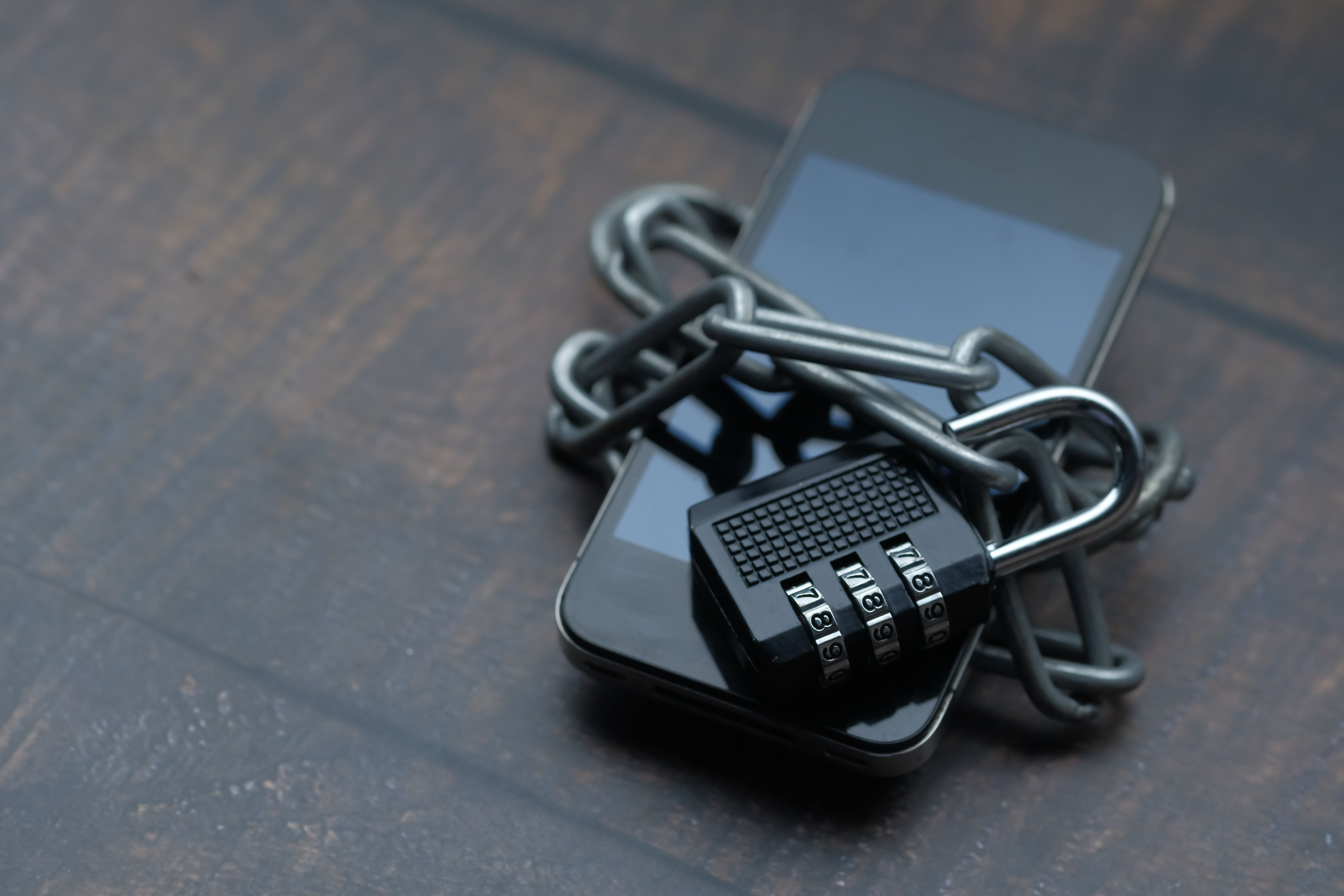
Are VoIP Phone Systems Secure? What Every Business Should Know
Modern business phone systems can be highly secure, but security does not happen automatically. From fraudulent international calls to exposed phone-system services, understanding the risks—and the layers of protection that address them—helps businesses protect their communications.
Imagine arriving at the office on Monday morning and discovering hundreds of calls placed over the weekend to international destinations that nobody at your company recognizes.
Employees insist they did not make the calls. The phones on their desks appear to work normally. Yet the telephone account may already have accumulated substantial unauthorized charges.
Or consider a different situation: someone outside the company gains access to a voicemail mailbox or the management portal for the phone system. They change a forwarding destination, access messages, or alter how customers reach the business.
These are not inevitable consequences of using internet-based telephones. They are examples of what can happen when security controls are missing, weak, or incorrectly configured.
VoIP can be secure, but a secure phone system requires more than simply choosing a reputable provider.
The Short Answer
Yes. A properly designed and maintained VoIP system can provide strong protection for business communications. Encryption, restricted network access, secure credentials, updated devices, monitoring, and carefully managed administrative access work together to reduce risk.
However, no system connected to a network is automatically immune to attacks. The important question is not simply whether a provider offers VoIP, but how the provider secures the systems, devices, accounts, and connections that make VoIP work.
Why Does VoIP Have Security Risks?
A modern business phone is a network device. It connects to servers, exchanges signaling messages to establish calls, and sends and receives digital voice traffic. That flexibility makes features such as remote extensions, mobile applications, call routing, and hosted telephone systems possible.
It also means a telephone system relies on software, networks, user accounts, and connected devices. Those components have security considerations similar to other business technology.
Some risks involve outsiders trying to gain access over the internet. Others involve employees accidentally exposing credentials, outdated device firmware, or an administrator leaving a management interface accessible when it should be restricted.
Good VoIP security addresses all of these possibilities rather than focusing on a single setting.
Toll Fraud: When Someone Uses Your Phone System to Make Unauthorized Calls
Toll fraud is one of the clearest financial threats facing business telephone systems. An attacker obtains the ability to place calls using a business's telephone service, often targeting expensive international or premium-rate destinations.
The attacker may exploit a compromised extension password, an inadequately protected voicemail feature, an exposed PBX, or improperly restricted call routing. Some incidents involve high call volumes during evenings, weekends, or holidays when employees are less likely to notice.
The financial consequences can be significant because calls may be billed before the activity is discovered.
Reducing toll-fraud exposure may involve:
- Blocking international calling unless the business actually needs it
- Restricting premium-rate and other high-risk destinations
- Limiting which users and extensions are permitted to place certain calls
- Reviewing unusual calling activity and unexpected spikes in usage
- Protecting extension credentials and administrative accounts
Even when an employee needs to call internationally, that does not mean every extension should have unrestricted access to every destination.
Security often improves when telephone permissions match actual business needs.
Weak Passwords Can Turn a Small Mistake Into a Large Problem
Passwords protect more than a phone system's administrative website. Individual telephone extensions may have their own authentication credentials. Voicemail boxes can have PINs. Employees may access web portals or mobile applications through separate user accounts.
If an extension uses a predictable password, an attacker may try commonly used combinations until one works. Passwords reused across multiple services are another concern: a breach somewhere else may expose credentials that also work on a telephone account.
Strong security practices include unique, difficult-to-guess credentials, securely generated extension passwords, and limits on repeated failed sign-in attempts. Administrative accounts should use multifactor authentication where supported.
Changing a weak password is useful, but it is equally important to determine whether the account was already accessed and whether any settings were modified.
Exposed SIP Services Create Unnecessary Opportunities for Attackers
Many VoIP platforms use SIP, or Session Initiation Protocol, to establish, manage, and end telephone calls. SIP is a normal part of countless legitimate business telephone systems.
The concern is not the existence of SIP. It is the unnecessary exposure of SIP services to networks and devices that have no legitimate reason to reach them.
Attackers regularly scan publicly accessible network services. An exposed SIP interface may receive registration attempts, password guessing, malformed traffic, or other unwanted requests.
An administrator might assume the system is safe because nobody knows its address. In practice, automated scanners do not need to know the business name to discover accessible services.
Where possible, phone-system access should be limited to trusted locations, authorized devices, approved carriers, or secure private connections.
Important distinction: A service that needs to communicate with the outside world does not necessarily need to accept connections from the entire outside world.
Firewalls Should Restrict Access, Not Merely Allow Calls to Work
A firewall is one of the most important security boundaries surrounding a VoIP environment. It can determine which networks and devices are permitted to communicate with telephone services.
A secure deployment may restrict SIP traffic to approved carrier addresses and authorized endpoints, protect management ports from public access, and prevent unrelated systems from reaching sensitive interfaces.
Firewall rules also need to account for how the phone system actually operates. VoIP uses signaling and media traffic, and blocking necessary paths can cause failed calls or one-way audio.
That is why properly securing a telephone system requires understanding its call architecture rather than opening large ranges of ports simply to make everything work.
Firewalls can also help limit the impact of suspicious traffic, but they are not a replacement for secure credentials, software maintenance, or monitoring.
VPNs Can Reduce the Need to Expose Phones Directly to the Internet
A Virtual Private Network, or VPN, creates a protected connection between authorized devices or networks.
For example, a remote employee might connect a desk phone or supported device through a business VPN. The phone can then reach services intended for internal or trusted-network access without requiring those services to be exposed publicly.
VPNs are especially useful for remote offices, sensitive management access, and deployments where a controlled private path is preferable to allowing registrations from arbitrary internet addresses.
However, a VPN is not automatically secure simply because it is called a VPN. The server, client devices, authentication methods, and cryptographic settings must be maintained and properly configured.
Not every deployment needs a VPN for every phone. The right approach depends on whether phones are on-site, remote, mobile, or connected through a supported carrier and provider architecture.
Encryption Protects More Than One Part of a Call
Business owners understandably want to know whether someone could listen to their phone calls.
Modern VoIP can use encryption to protect communication, but two different types of traffic deserve attention.
Call signaling is the information used to establish and manage a call, including registration and call setup. SIP over TLS can help protect supported signaling connections.
Call audio is carried separately. Secure Real-time Transport Protocol, or SRTP, can protect the voice media on supported connections.
Using encrypted signaling does not automatically mean the audio is encrypted. Likewise, seeing encryption enabled between a desk phone and the provider does not necessarily mean the entire call is encrypted from one person to the other.
For calls to ordinary telephone numbers, media may traverse carriers or other networks where different protections apply.
| Security Method | What It Helps Protect | What It Does Not Guarantee |
|---|---|---|
| SIP over TLS | Call signaling on supported connections | That voice audio is encrypted |
| SRTP | Voice media on supported call legs | End-to-end encryption across every carrier |
| VPN | Traffic within a protected network tunnel | That endpoints or accounts cannot be compromised |
| HTTPS | Web portal sessions | That telephone signaling and audio are encrypted |
Encryption is important, but it should be described accurately. Businesses handling sensitive conversations should ask their provider exactly which portions of the communication path are encrypted.
Monitoring Helps Detect Problems That Preventive Controls Miss
Good security is not limited to blocking unauthorized access. It also involves recognizing unusual activity when something does get through.
Imagine an extension that normally makes a handful of domestic calls during business hours suddenly attempting dozens of international calls at 2:00 AM.
That behavior deserves attention even if every call is technically accepted by the phone system.
Depending on the platform, useful monitoring may include:
- Repeated failed authentication attempts
- Unexpected registrations from unfamiliar networks
- Sudden increases in outbound calling volume
- Calls to unexpected destinations or at unusual hours
- Changes to administrative accounts and call routing
- Unusual server activity or unexpected configuration changes
Logging provides evidence for investigating incidents, while appropriate alerts can help administrators react sooner. Neither one guarantees that an attack will be prevented, so monitoring should complement restrictions and secure configuration.
Phone Firmware and PBX Software Need Updates
A desk phone may sit in the same location for years. That does not mean the software inside it should remain unchanged for years.
IP phones, cordless base stations, analog telephone adapters, PBX servers, and network appliances all run software or firmware. Manufacturers and maintainers may release updates to address defects and security vulnerabilities.
Devices that no longer receive security updates create a difficult decision: continue using equipment with known limitations or plan an orderly replacement.
Updates should be evaluated and tested, particularly in environments with large numbers of phones. A rushed firmware deployment can disrupt service if a change creates compatibility problems.
A sensible maintenance process tracks device models and software versions, monitors security advisories, tests relevant updates, and installs them in a controlled manner.
Administrative Accounts Can Be More Sensitive Than Individual Phones
A compromised extension is serious. A compromised administrator account may be much worse.
Administrative access can potentially allow someone to create extensions, change call routing, modify trunk settings, review sensitive records, or alter security restrictions.
For that reason, administrative accounts should receive stronger protections than ordinary day-to-day access.
- Use separate named accounts rather than shared administrator credentials
- Enable multifactor authentication wherever supported
- Grant only the permissions needed for each person's role
- Restrict management access to trusted networks or VPN connections
- Remove access promptly when employees or contractors leave
- Review significant administrative changes and account activity
Access control is not just about keeping outsiders away. It also reduces the chance of accidental changes and limits the damage possible if one account is compromised.
Your Office Network Is Part of Phone Security
A hosted VoIP provider may secure its own infrastructure thoroughly while a business still has vulnerabilities on its local network.
For example, an outdated firewall, compromised employee computer, or poorly secured wireless network may expose devices or credentials that otherwise would have been protected.
Businesses can reduce their exposure through sensible network segmentation, strong Wi-Fi security, managed firewall rules, secure remote access, and timely updates to their own network equipment.
Separating voice devices from unrelated guest or employee traffic can also help limit unintended access, although segmentation must be properly configured to provide meaningful protection.
This is one reason collaboration between the telephone provider and the company's IT provider matters. Each may manage different parts of the same communications environment.
Why Security Requires Multiple Layers
It may be tempting to look for one setting that makes the entire telephone system safe.
Unfortunately, security does not work that way.
A strong password cannot repair an unpatched vulnerability. Encryption cannot prevent an authorized account from being used fraudulently if the credentials are stolen. A firewall cannot identify every suspicious call placed through an otherwise legitimate extension.
These defenses work best when they overlap.
Restricted Network Access → Strong Authentication → Encrypted Connections → Limited Call Permissions → Monitoring → Updates and Review
If one control fails, another may still prevent a successful attack, limit its impact, or help administrators recognize the problem.
This approach is often called defense in depth. For a business phone system, it is considerably more dependable than trusting a single security feature.
What Does Vox Rail Do to Prioritize Security?
At Vox Rail, protecting the communications platform is a fundamental part of how hosted VoIP is approached—not an optional consideration added after the phones are working.
That means treating access to the PBX, telephone registrations, administrative interfaces, server infrastructure, and calling permissions as separate security decisions. Each deserves appropriate controls.
Vox Rail's security-first approach includes the use of network firewalls and access restrictions, defenses against repeated unauthorized sign-in attempts, secure remote connectivity through VPN technologies where appropriate, account and credential controls, server and software maintenance, and attention to unusual activity.
Where supported and properly configured, encrypted signaling and media can further protect communications. Restricting unnecessary exposure and aligning calling permissions with business requirements can also reduce opportunities for misuse and toll fraud.
Just as importantly, Vox Rail recognizes that security cannot end at the hosted server. Desk phones, network equipment, credentials, and employee access all contribute to the security of the complete telephone environment.
The objective is to make secure configurations the starting point, reduce unnecessary exposure, and maintain multiple protections rather than relying on a single safeguard.
No responsible provider can promise that every security incident is impossible. What a provider can do is design carefully, maintain systems, limit access, and take suspicious activity seriously.
Questions to Ask Any Business VoIP Provider
Businesses do not need to become telecommunications security specialists to ask worthwhile questions before choosing a provider.
| Question | Why It Matters |
|---|---|
| Can unnecessary international and premium calling be restricted? | Helps reduce toll-fraud exposure |
| Who can access the PBX and administration portal? | Clarifies account and network restrictions |
| Is multifactor authentication available for administrators? | Adds protection beyond passwords |
| Are SIP signaling and voice media encrypted? | Identifies which connections receive encryption |
| How are software updates and suspicious activity handled? | Explains ongoing maintenance and oversight |
| What happens if a phone or user account is compromised? | Clarifies containment and response procedures |
Specific, practical answers are more useful than vague assurances that a platform is completely secure.
So, Are VoIP Phone Systems Secure?
They absolutely can be. The underlying technology supports a wide range of strong security controls, including restricted connectivity, secure authentication, encrypted traffic, and detailed monitoring.
But those controls must be selected, configured, maintained, and reviewed. A VoIP system becomes much more trustworthy when security is treated as a continuous operational responsibility rather than a feature checkbox.
Final Thoughts
A business telephone system is more than a collection of desk phones. It is an essential service that connects employees, customers, vendors, and sometimes sensitive business conversations.
That service deserves the same attention to security that a company gives its email, computers, and financial systems.
Toll-fraud restrictions reduce financial exposure. Strong credentials protect accounts. Firewalls and VPNs limit unnecessary access. Encryption helps protect supported communication paths. Monitoring can reveal suspicious behavior. Firmware and software updates address weaknesses as they are discovered.
None of these protections is a magic solution by itself.
Together, however, they make it much harder for a single mistake or vulnerability to become a serious incident.
The better question is not whether VoIP is inherently safe or unsafe. It is whether the provider and the business are taking the right steps to secure it.
Security Should Be Built Into Your Business Phone System
Vox Rail approaches hosted VoIP with security as a core consideration, combining infrastructure protections, access restrictions, secure connectivity, account safeguards, and ongoing maintenance. We also work with businesses and their IT providers to understand how the phones, network, and remote users connect—because protecting the complete communications environment requires looking beyond the PBX alone.
If you're evaluating a new business phone system or reviewing an existing one, security deserves a place in the conversation from the beginning.